Dogstar Font: A Practical Guide to Its Versatility and Design Applications
In the expansive world of typography, finding a typeface that balances personality with functionality can be a challenge for designers. Dogstar emerges as a compelling option in this space, positioned as a cute and versatile display font. For creative professionals and hobbyists alike, the appeal of Dogstar lies not just in its aesthetic charm but in its adaptability across various media formats. Whether you are developing a brand identity, creating merchandise, or illustrating a narrative, understanding the specific characteristics of this font can help determine if it is the right tool for your project.
This article explores the distinct features of Dogstar, evaluates its best-use cases, and compares its utility against other typographic styles. By examining its strengths and limitations, you can make a more informed decision about integrating this font into your design workflow.
Understanding the Aesthetic Appeal of Dogstar
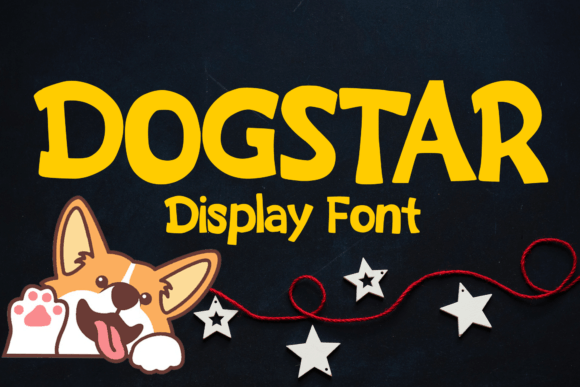
At its core, Dogstar is designed to evoke a sense of approachability and warmth. The term "cute" in typography often refers to rounded terminals, soft curves, and a lack of aggressive angularity. Dogstar embodies these traits, offering a visual language that feels friendly and inviting. This makes it particularly effective for projects where the goal is to establish an immediate emotional connection with the audience.
The versatility of Dogstar stems from its balanced weight distribution. It is neither too thin to disappear nor too bold to overwhelm surrounding elements. This equilibrium allows it to function effectively as a headline font while still maintaining readability in shorter body text applications, such as captions or pull quotes. When designers say that Dogstar will "elevate a wide range of design projects," they are referring to this ability to add a polished, professional touch without sacrificing playfulness.
Key Visual Characteristics
- Rounded Geometry: The soft edges contribute to a modern, clean look that avoids the harshness of traditional serif or strict sans-serif fonts.
- High Legibility: Despite its decorative nature, the letterforms remain distinct, ensuring that messages are communicated clearly.
- Consistent Stroke Width: This uniformity provides a cohesive appearance, making it easier to pair with other fonts or graphic elements.
Practical Applications and Use Cases
One of the primary advantages of Dogstar is its broad applicability. While some display fonts are niche-specific, Dogstar offers flexibility that suits multiple industries and creative endeavors. Below are several areas where this font excels, along with practical considerations for each.
Merchandise and Apparel Design
T-shirt designs and stickers require fonts that are impactful at a glance. Dogstar’s bold yet friendly structure makes it ideal for apparel graphics. When used on a t-shirt, the font can convey a message that is both stylish and accessible. For stickers, which often rely on compact and catchy visuals, Dogstar’s compact letter spacing and clear forms ensure that the text remains readable even when scaled down. The "cool touch" it adds to designs is particularly valuable in streetwear or casual lifestyle brands where authenticity and approachability are key selling points.
Branding and Logo Development
Creating an amazing logo design requires a typeface that can stand alone as a brand mark. Dogstar works well for businesses targeting families, children, pets, or lifestyle sectors. Its playful nature helps humanize brands, making them appear less corporate and more community-oriented. However, when using Dogstar for logos, it is essential to consider custom kerning and spacing to ensure the logo remains unique and memorable. While it provides a strong foundation, slight modifications can help differentiate your brand from others using similar typefaces.
Publishing and Editorial Layouts
For magazine or book covers, especially in genres like young adult fiction, self-help, or light-hearted non-fiction, Dogstar can serve as an eye-catching title font. Its ability to draw attention without appearing aggressive makes it suitable for covers that need to invite rather than intimidate the reader. In comics and cartoon drawings, the font can be used for speech bubbles or sound effects, enhancing the narrative flow with its expressive character. The consistency of the font ensures that it does not distract from the artwork but rather complements the visual storytelling.
Comparing Dogstar with Alternative Typographic Styles
To truly evaluate the value of Dogstar, it is helpful to compare it with other common font categories. Understanding these differences allows designers to choose the most appropriate tool for their specific needs.
Dogstar vs. Traditional Serif Fonts
Traditional serif fonts, such as Times New Roman or Garamond, convey authority, tradition, and formality. In contrast, Dogstar is informal and modern. If your project requires a sense of heritage or serious professionalism, a serif font may be more appropriate. However, if the goal is to appear contemporary, friendly, and accessible, Dogstar is the superior choice. It bridges the gap between casual handwriting styles and structured sans-serifs, offering a middle ground that is often missing in standard font libraries.
Dogstar vs. Handwritten Script Fonts
Handwritten scripts offer a high degree of personality but often suffer from legibility issues, especially at smaller sizes or in all-caps formats. Dogstar provides the personal touch of a handwritten style but with the structural integrity of a digital typeface. This makes it a more reliable option for projects where clarity is paramount. While script fonts might be better for elegant wedding invitations, Dogstar is better suited for dynamic, everyday applications like social media graphics, product packaging, and promotional materials.
Dogstar vs. Geometric Sans-Serifs
Geometric sans-serifs like Futura or Helvetica are known for their neutrality and minimalism. They are excellent for corporate identities that wish to remain invisible and let the content speak for itself. Dogstar, however, has a distinct voice. It is not neutral; it is expressive. Choosing Dogstar over a geometric sans-serif means you are intentionally adding personality to your design. This is beneficial for brands that want to stand out through character rather than minimalism.
Evaluating Limitations and Decision Factors
While Dogstar is a versatile tool, it is not a universal solution. Recognizing its limitations is crucial for effective design implementation.
Readability in Long-Form Text: As a display font, Dogstar is optimized for headlines and short bursts of text. Using it for long paragraphs or body copy in books and articles may lead to reader fatigue due to its distinctive shapes. For extensive reading material, it is advisable to pair Dogstar with a highly legible serif or neutral sans-serif font for the body text.
Contextual Appropriateness: The cute and playful nature of Dogstar may not align with serious or somber topics. For legal documents, medical journals, or high-end luxury branding that relies on exclusivity and austerity, Dogstar might appear too informal. In these cases, exploring more restrained and classical typefaces would be a better strategic decision.
Licensing and Usage Rights: Before incorporating Dogstar into commercial projects, always verify the licensing terms. Ensure that the license covers your intended use, whether it is for print, web, or merchandise. Understanding these legal aspects prevents potential issues down the line and ensures ethical usage of creative resources.
Making the Right Choice for Your Project
Deciding whether to use Dogstar depends on the specific goals of your design. Ask yourself the following questions:
- What is the tone of my project? If you aim for friendly, approachable, and modern, Dogstar is a strong candidate.
- Where will the text appear? For headlines, logos, and short labels, Dogstar performs exceptionally well. For dense text blocks, consider it only for accents.
- Who is my audience? If your target demographic includes younger audiences, families, or individuals seeking casual and relatable content, Dogstar resonates well.
Ultimately, Dogstar is a valuable addition to any designer’s toolkit. Its ability to elevate designs through a blend of cuteness and versatility makes it suitable for a wide array of creative tasks. By understanding its strengths and recognizing when to opt for alternatives, you can leverage Dogstar to create impactful, engaging, and visually appealing projects. Whether you are designing a new logo, creating a series of stickers, or laying out a comic book, Dogstar offers the stylistic flexibility needed to bring your vision to life with a cool, contemporary touch.