Vintage Manga: A Practical Guide to Retro Anime Typography in Design
In the evolving landscape of graphic design, typography serves as more than just a vessel for text; it is a primary driver of visual identity and emotional resonance. For designers working within the realms of pop culture, entertainment, and lifestyle branding, selecting the right typeface can define the success of a project. Vintage Manga has emerged as a distinctive resource in this space, offering a specialized aesthetic that bridges the gap between classic Japanese comic art and modern digital design needs. This font is not merely a stylistic novelty but a functional tool designed to elevate a wide range of creative projects through its authentic retro appeal.
Understanding the Aesthetic and Core Characteristics
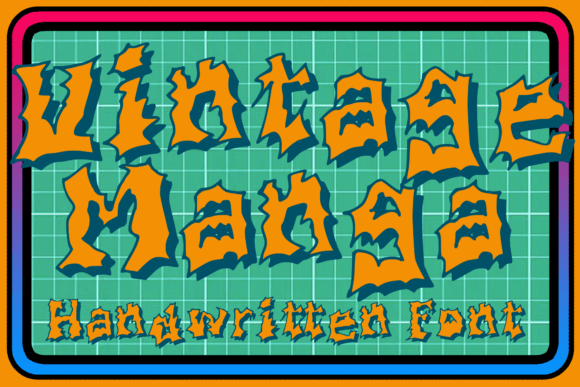
To understand the utility of Vintage Manga, one must first appreciate the visual language it emulates. The font draws heavily from the golden era of manga and anime, particularly styles prevalent from the 1970s through the 1990s. During this period, title fonts were often hand-lettered with bold, dynamic strokes that conveyed energy, movement, and drama. Vintage Manga captures these nuances, translating hand-drawn imperfections into a scalable digital format.
The typeface is characterized by its thick, irregular strokes and sharp angles, mimicking the brushwork of traditional calligraphy used in original comic covers. Unlike standard sans-serif or serif fonts, which prioritize uniformity and readability above all else, this font prioritizes character and atmosphere. It features variable line weights and slightly jagged edges, which prevent it from looking too sterile or computer-generated. This "cool retro" quality is essential for designers aiming to evoke nostalgia or authenticity in their work. The font’s structure allows it to stand out as a display piece, making it ideal for headlines where impact is more critical than long-form legibility.
Practical Applications Across Design Mediums
The versatility of Vintage Manga lies in its ability to adapt to various physical and digital mediums. While its primary association is with comic culture, its application extends far beyond simple fan art. Professional designers and entrepreneurs can leverage this typeface to create cohesive brand identities for businesses targeting niche audiences.
- Apparel and Merchandise: One of the most effective uses for this font is in t-shirt designs and streetwear. The bold nature of the letters ensures high visibility on fabric, while the retro style appeals to current fashion trends that favor vintage aesthetics. Whether used for a standalone graphic or integrated into a larger illustration, the font adds an immediate layer of cultural context.
- Branding and Logo Design: For startups in the gaming, entertainment, or cafe sectors, a logo using Vintage Manga can communicate a playful yet edgy brand personality. It works particularly well for businesses that want to distinguish themselves from corporate minimalism, offering a memorable visual hook that resonates with younger demographics.
- Publishing and Editorial Layouts: Magazine covers, book jackets, and zines benefit significantly from this typeface. It provides a strong hierarchical element, drawing the reader’s eye to the title before they engage with the subtitle or body text. In comic books and graphic novels, it serves as an authentic choice for title pages or chapter headers, maintaining thematic consistency.
- Digital Assets and Stickers: In the realm of social media marketing and digital content creation, stickers and overlays are crucial for engagement. Vintage Manga allows creators to produce custom stickers that feel organic and handcrafted, enhancing the visual appeal of Instagram stories, YouTube thumbnails, and promotional materials.
Evaluating Usability and Technical Performance
From a technical standpoint, the value of a display font is determined by its consistency and ease of integration into existing workflows. Vintage Manga is designed to be user-friendly for both seasoned typographers and hobbyists. The font files are typically compatible with major design software, including Adobe Illustrator, Photoshop, and InDesign, as well as free alternatives like GIMP and Canva. This broad compatibility ensures that freelancers and small business owners can incorporate the font without needing specialized tools.
One of the key strengths of this typeface is its balance between stylization and readability. Many decorative fonts suffer from excessive distortion, making them difficult to decipher. However, Vintage Manga maintains clear letterforms, ensuring that the message remains accessible even when the style is prominent. This reliability is crucial for commercial projects where communication clarity cannot be compromised for aesthetics. Furthermore, the font’s weight is substantial enough to hold its own against complex background images, a common requirement in poster and cover design.
Designers should note that, as a display font, it is best utilized at larger sizes. Using it for body text or small captions may reduce its effectiveness and legibility. The optimal approach is to pair it with a clean, neutral sans-serif font for secondary information. This contrast creates a professional layout where the Vintage Manga headline grabs attention, and the supporting text provides necessary details without visual competition.
Target Audience and Strategic Value
Who benefits most from incorporating Vintage Manga into their design toolkit? The primary audience includes graphic designers, illustrators, and marketers who specialize in youth culture, entertainment, and lifestyle sectors. Entrepreneurs launching products related to gaming, anime conventions, or retro-themed events will find this font invaluable for creating authentic promotional materials.
Additionally, educators and publishers focusing on media studies or graphic arts can use this font to demonstrate the evolution of typographic trends in Japanese pop culture. For serious hobbyists and fan creators, it offers a professional-grade resource that elevates personal projects to a level comparable with commercial outputs. The font’s ability to add a "cool touch" is not just about aesthetics; it is about signaling cultural literacy and attention to detail.
For marketers, the strategic value lies in differentiation. In a saturated digital marketplace, brands that utilize distinctive typography can achieve higher recall rates. Vintage Manga allows brands to tap into the powerful emotional connections consumers have with nostalgia and anime culture, fostering a sense of community and shared identity.
Limitations and Best Practices
While Vintage Manga is a robust tool, it is not a universal solution. Its highly specific stylistic traits mean it may not suit corporate, financial, or healthcare industries where neutrality and trustworthiness are paramount. Designers must exercise judgment in assessing whether the retro anime aesthetic aligns with their client’s brand values and target audience expectations.
Another consideration is spacing and kerning. Due to the irregular shapes of the letters, manual adjustment of spacing may be required to achieve optimal visual balance, particularly in shorter words or acronyms. Taking the time to refine these details ensures that the final output looks polished and intentional rather than haphazard.
Furthermore, licensing terms should always be reviewed before commercial use. Ensuring that the font license covers the intended scope of the project—whether it is for print, web, or merchandise—is a critical step in professional practice. Respecting intellectual property rights protects both the designer and the client from potential legal issues.
Long-Term Value in a Creative Portfolio
Investing in high-quality niche fonts like Vintage Manga contributes to the long-term versatility of a designer’s portfolio. As design trends cycle, the demand for authentic retro aesthetics remains consistent. Having access to a reliable, well-crafted font in this style allows creators to respond quickly to client requests for vintage-inspired projects without resorting to generic or overused typefaces.
The font’s ability to elevate diverse projects—from simple stickers to complex magazine layouts—demonstrates its flexibility. It serves as a testament to the power of typography in shaping perception and enhancing narrative. By integrating Vintage Manga into their workflow, designers can offer clients a unique visual voice that stands out in a crowded marketplace.
In conclusion, Vintage Manga is more than a decorative element; it is a strategic design asset. Its combination of authentic retro styling, technical reliability, and versatile application makes it a valuable addition for professionals and creators alike. By understanding its strengths and limitations, designers can leverage this font to create compelling, culturally resonant work that meets the highest standards of modern design practice. Whether for a startup logo, a comic cover, or a fashion label, this typeface provides the necessary tools to bring creative visions to life with precision and style.